The Maposa Legacy is following in the footsteps of industry titans who took community initiatives; thus, this family-run company is emphasizing community development to sustain its business.
Chiefs and kings were the first to rule the town, which has a history of traditional authorities serving as legislators and rulers. The Magistrate's Court at Glen Grey was founded on May 1, 1879, under the colonial government (Government Gazette No. 5896 dated March 25, 1879, Proclamation No. 43 dated March 24, 1879).
Government Notice No. 1001, issued September 20, 1880, states that the magistracy's seat was moved to Cacadu, and it was approved that the latter location be named Lady Frere (Government Gazette No. 6060, dated September 21, 1880). An officer known as the Clerk in Charge was stationed in Glen Grey prior to the creation of the magistracy.
Government Notice No. 1865 of 1928, which was issued in Government Gazette No. 1734 on October 26, 1928, also designated the Magistrate of Lady Frere as a Native Commissioner. The Eastern Cape's Emalahleni Local Municipality (Lady Frere) was established in December 2000 after the first democratic local government elections since the end of apartheid. In addition to the potential for tourism and the stunning geographical elements, Maposa Legacy aims to enter the real estate market in this area.
Maposa Legacy has its business portfolio domiciled in Lady Frere, formerly known as Glen Grey Traditional Authority. It capitalized on the success of the former Transkei Homeland, where aspiring business owners were encouraged to become self-sufficient.
Originally named after Sir Bartle Frere's wife, Lady Frere is a small village in the Eastern Cape Province around 45 kilometers east of Queenstown. It has since changed its name to Cacadu. This settlement dates back to the colonial era and was settled in the late 1800s.
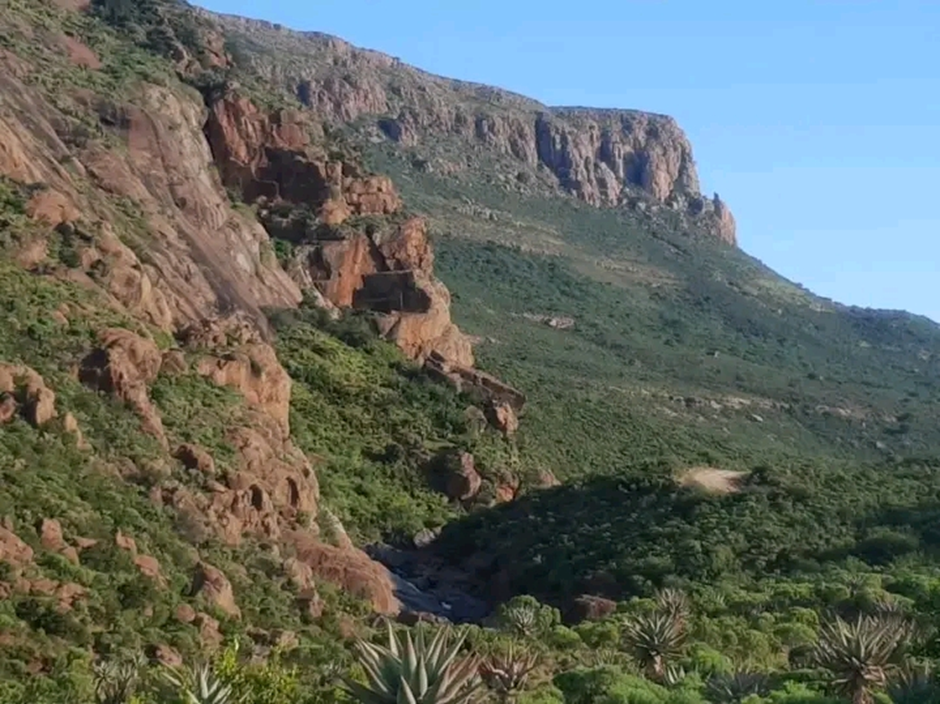
It is surrounded by towering mountains and home to the spectacular Glen Grey Falls, a sight to behold, especially after the area's frequent severe rains.
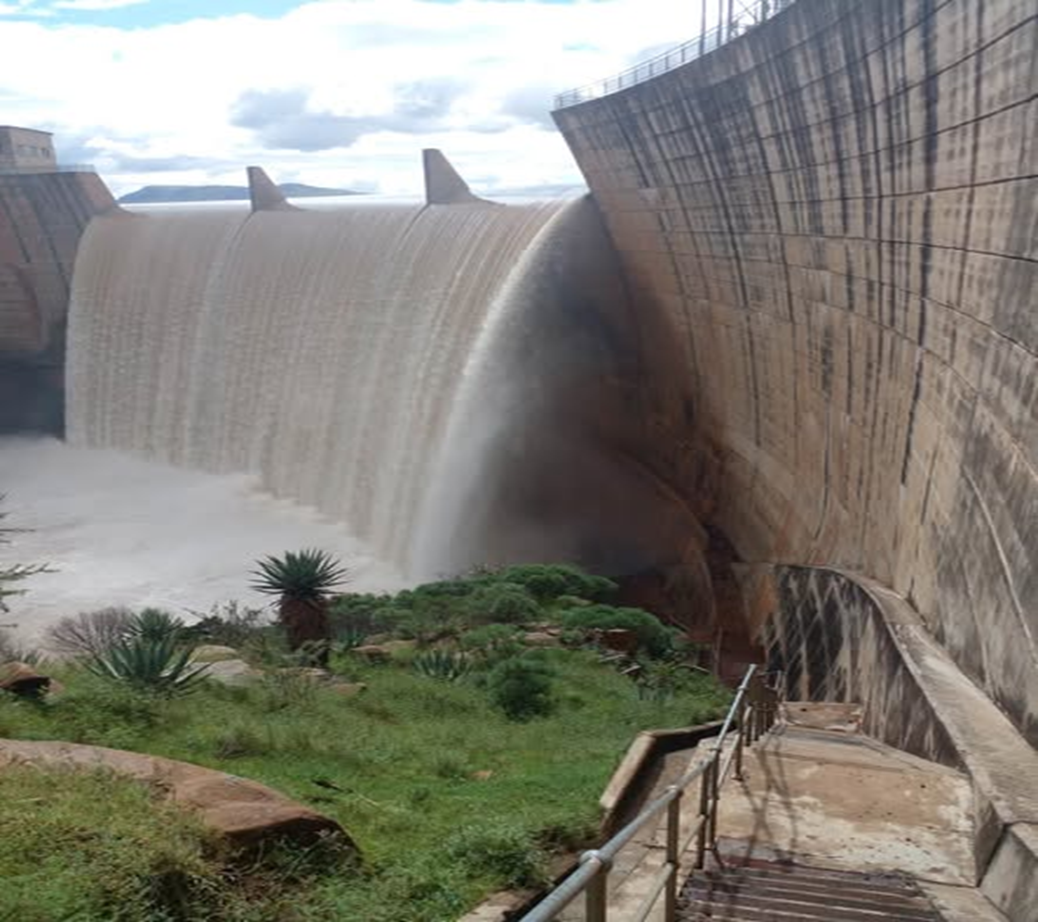
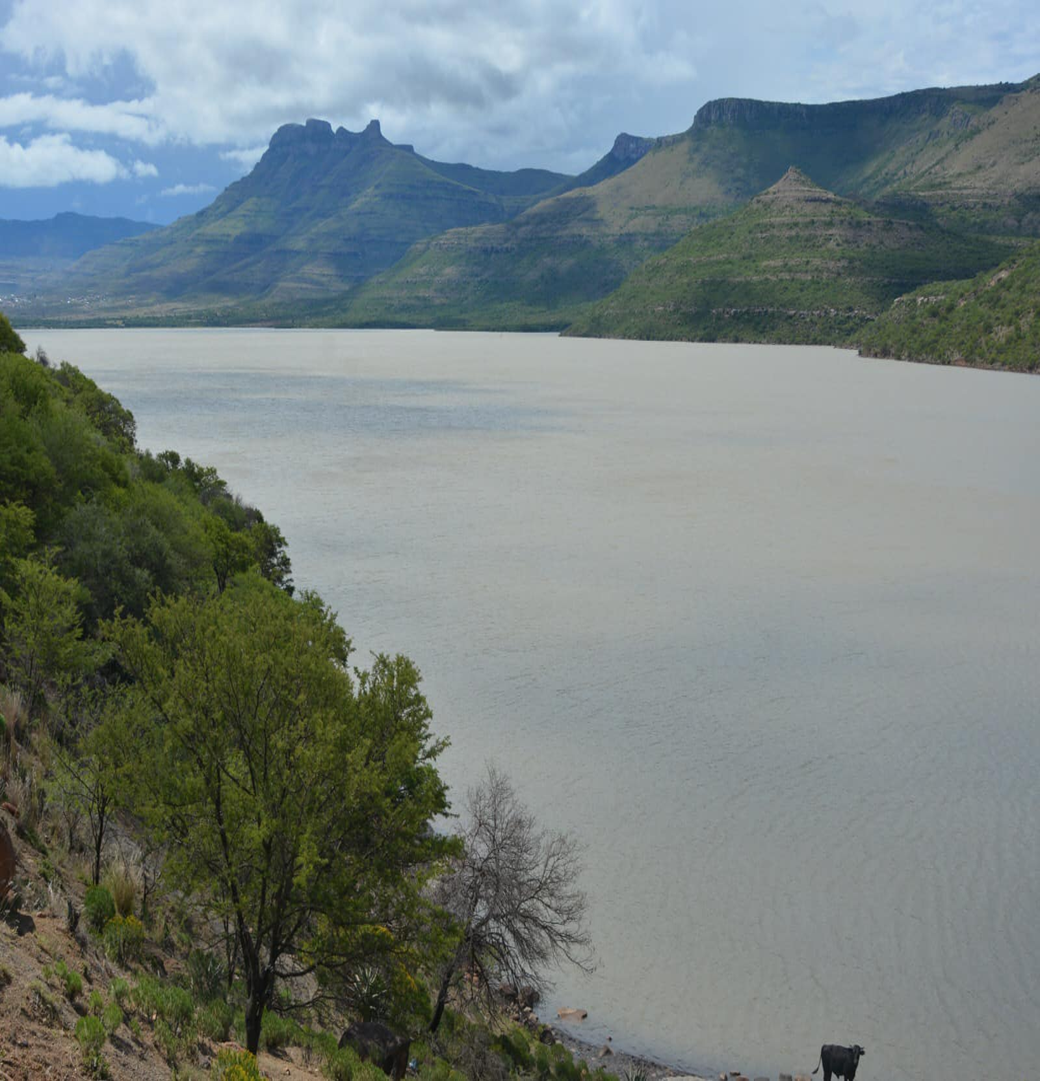
The outlying area is home to the magnificent Xonxa Dam, a deep-water holding facility of epic proportions that is rarely at less than full capacity and is teeming with stunning yellow fish and giant catfish.
Xonxa Dam is home to many community farmers. Several original cottages from the early 20th century are still visible in this communal agricultural village that seems like time has stood still.
Along with the Xonxa Dam, the region also includes the Lubisi Dam, which makes numerous efforts to draw tourists in order to support its farming population.

The sheer scale of the Xonxa Dam wall is a spectacle in itself. When the dam overflows after the region's heavy seasonal rains, the sight of water cascading over its curved concrete face is nothing short of extraordinary.
The outlying districts of South Africa are home to some of the country's most breathtaking topographical features. There are many crystal-clear streams visible, and the sky above is frequently filled with magnificent vultures that fly out of the many colonies in the area.
Livestock spend long days grazing on the region's famous sweet veld, making it intriguing to drive past the area's varied topographies.

The Maposa Legacy is entering the tourist industry in an effort to provide its guests with top-notch lodging. With its network of properties, the vision is to bring high-quality tourism and professional real estate standards to a region rich in authentic African culture and grounded traditions.
The outlying districts of South Africa are home to some of the country's most breathtaking topographical features. In addition to the farming and general commercial enterprises that primarily support the area, there are magnificent mountain passes in the area that can draw tourists.
In addition to the potential for tourism and the stunning geographical elements, Maposa Legacy aims to enter the real estate market in this area — supporting communities that have long been overlooked by national tourism frameworks.

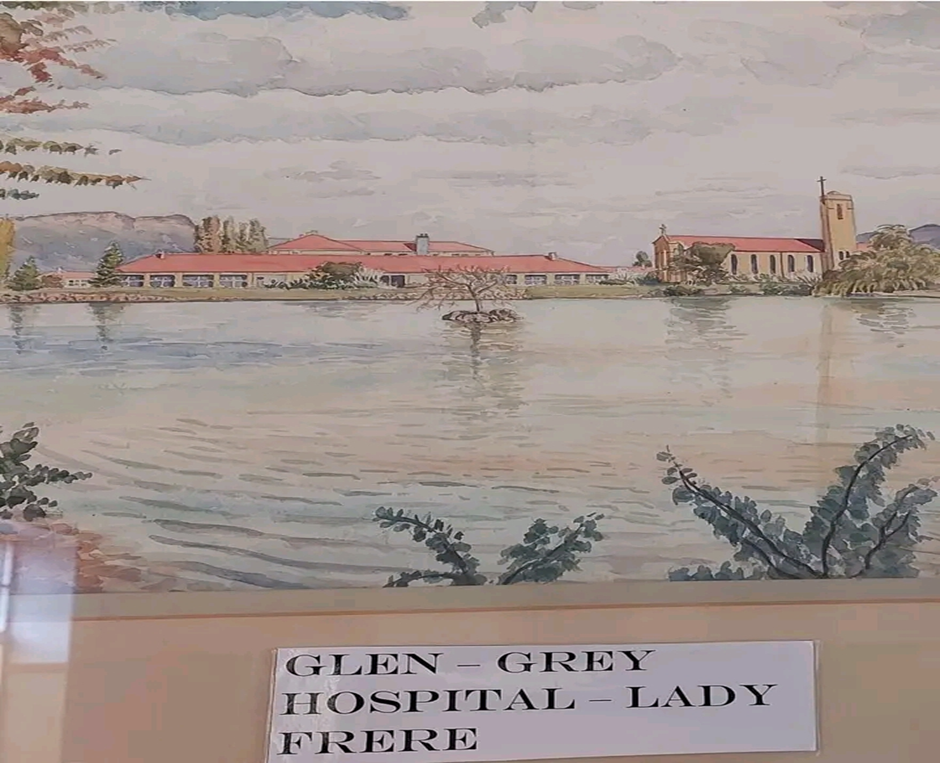
Originally founded by the Catholic Church, the community's Glen Grey Hospital was once among the most cutting-edge medical facilities in South Africa.
The hospital was utilized as a hands-on training facility for medical students from top South African colleges. German Catholic farmers, many of whom are interred in the hospital's cemetery, operated one of the most sophisticated crop-producing operations in the expansive outlying grounds, and the complex boasted one of the nation's first power plants.
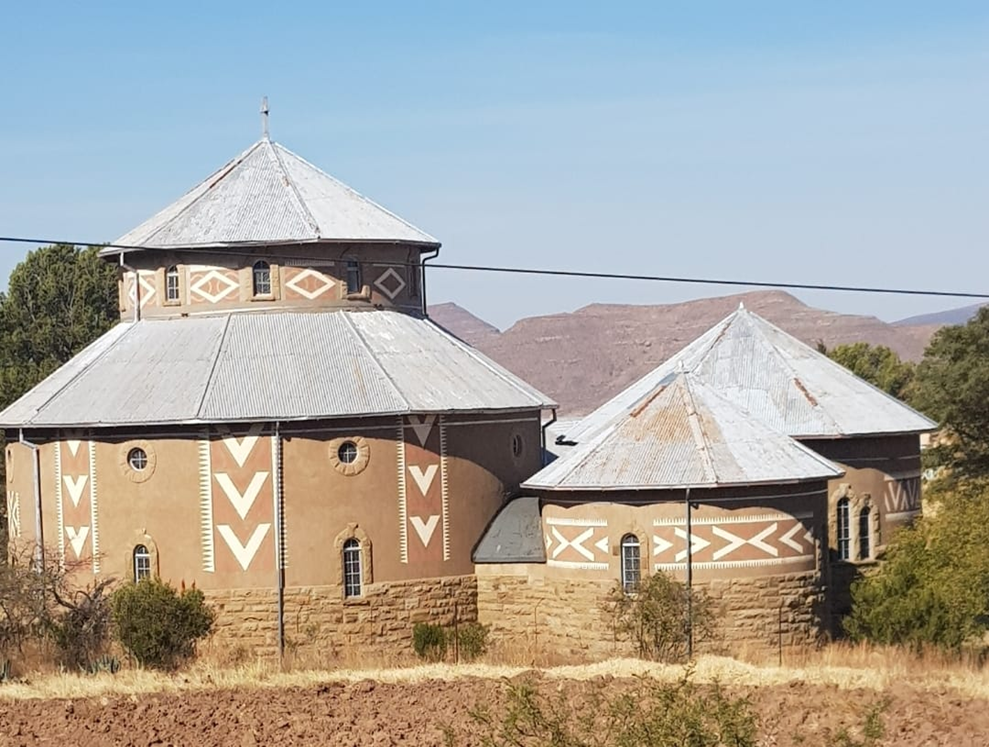
The wider district is home to numerous more Catholic mission stations, some of which had a clear African motif.

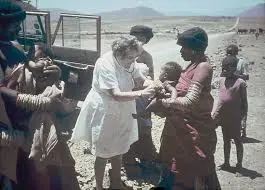
Dr. Maria Kunz (better known among amaXhosa as "Nonkunzi"), a Swiss medical missionary who came to South Africa in 1936, is one of the historical people in this area who was always eager to take initiative. At Mc Kay's Nek in the Lady Frere neighborhood, she founded the missionary hospital known as Glen Grey Missionary Hospital.
However, the hospital moved to its current location because it was difficult to obtain a sufficient quantity of water. In honor of its creator, Dr. Maria Kunz, the hospital is still known as kwaNonkunzi among amaXhosa, despite its official name being Glen Grey Hospital.
The Maposa Legacy is following in the footsteps of industry titans who took community initiatives; thus, this family-run company is emphasizing community development to sustain its business.

The wider district is home to numerous Catholic mission stations, some of which carry a distinctly African architectural motif — round structures with conical roofs adorned with traditional geometric patterns, blending European religious heritage with indigenous building traditions.
Trading shops that served communal agricultural regions cultivated the entrepreneurial spirit of the Maposa Legacy. Having been a family-run business, it cultivated intimate ties with the rural population, which has a rich culture and distinct customs.
Sadly, national tourism frameworks haven't taken into account the incorporation of these communities, which are frequently rooted in real African culture. A true sense of groundedness permeates these people.

Amazing Khoi and San artworks can be seen at least five locations around the settlement. The following San Rock locations in and near Lady Frere are worth visiting: Dubeni San Rock (1) Art Site: About 50 kilometers southwest of Lady Frere, the Dubeni rock art site is known for its paintings of eland bucks. 2) Cumakala San Rock Art Site: Located in a cave on a hill known as Kukere, this rock art site is roughly 11 kilometers northwest of Lady Frere and 4 km from Yona Secondary School. The paintings show Eland alongside other characters, like San hunters.
The Esikhwangeni San Rock Art Site is located in Esweni, a few meters above the Cacadu River, some 22 kilometers south of Cacadu. This fascinating rock art site depicts a guy on horseback, a bull, and what appears to be a camel. 4) San Rock KuDlaliwe Art Site: On the way to Qamata Great Place, KuDlaliwe has two rock art sites in KuBengu Village, which is close to the Nogogo River and about 76 kilometers east of Lady Frere. The paintings are extremely well maintained and cover a 20-meter-long granite shelf. 5) Qolombeni San rock art site: Located 25 kilometers from Lady Frere on the way to Indwe, in a cave close to Lamuni Village.
A 30-meter-long mural of paintings makes up the rock art site. The old Prison Building and the Dutch Reformed, Anglican, and Methodist Churches are examples of historical structures that provide tourists with an insight into the architectural styles of the past. Glen Grey Falls: A trip to the striking, 400-meter-high Glen Grey Falls is highly recommended. Originally founded by the Catholic Church, the community's Glen Grey Hospital was once among the most cutting-edge medical facilities in South Africa.